Inspiration & Context
I moved to the Netherlands in Fall 2024 and was motivated to learn Dutch from the first day. I knew that I could do it myself better than any course or specific books. I began thinking about how I could design and pursue the learning experience while immersing myself in the language.
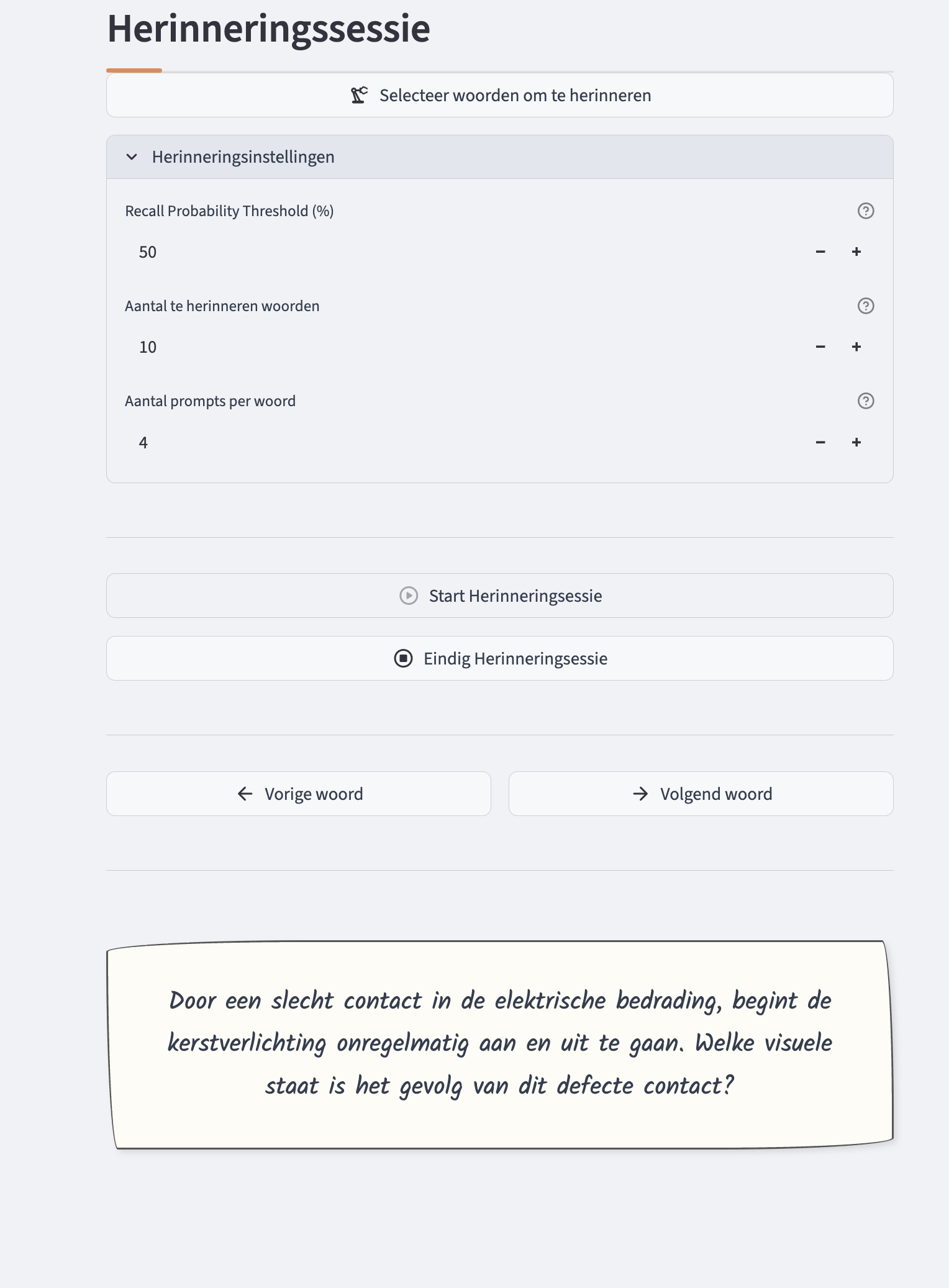
One of the first things I did was build a simple web app that functioned as a digital version of traditional physical flashcards.
After a while, I was not satisfied with the progress. Specifically, I could recognize the words in text but I could not actively use them when needed or understand them when they were spoken.
I kept thinking and questioning the learning process. I started from the first principles:
What is language?
One limited way to think about human language is as a tool that we use to communicate intent.
How do we use language?
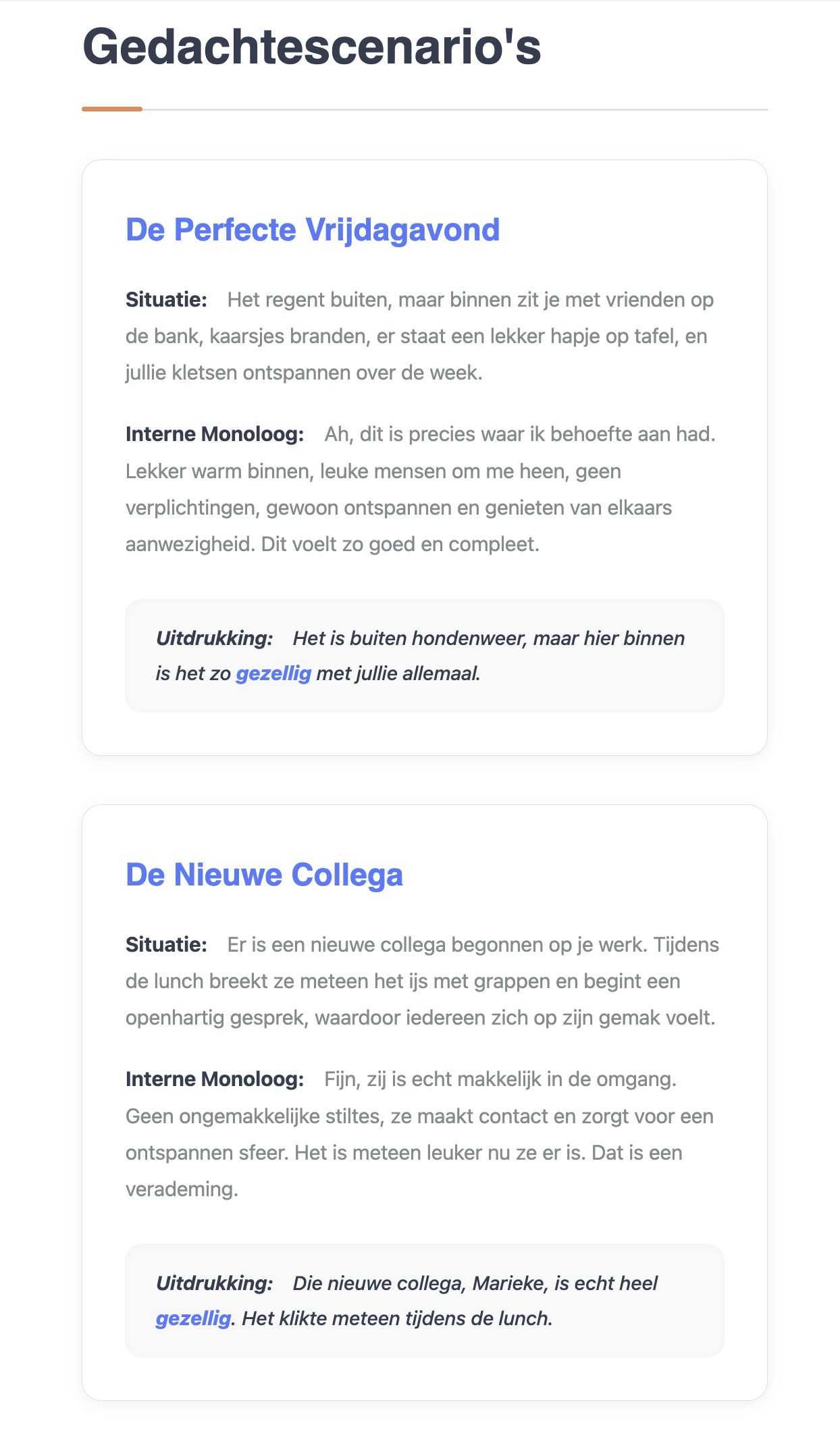
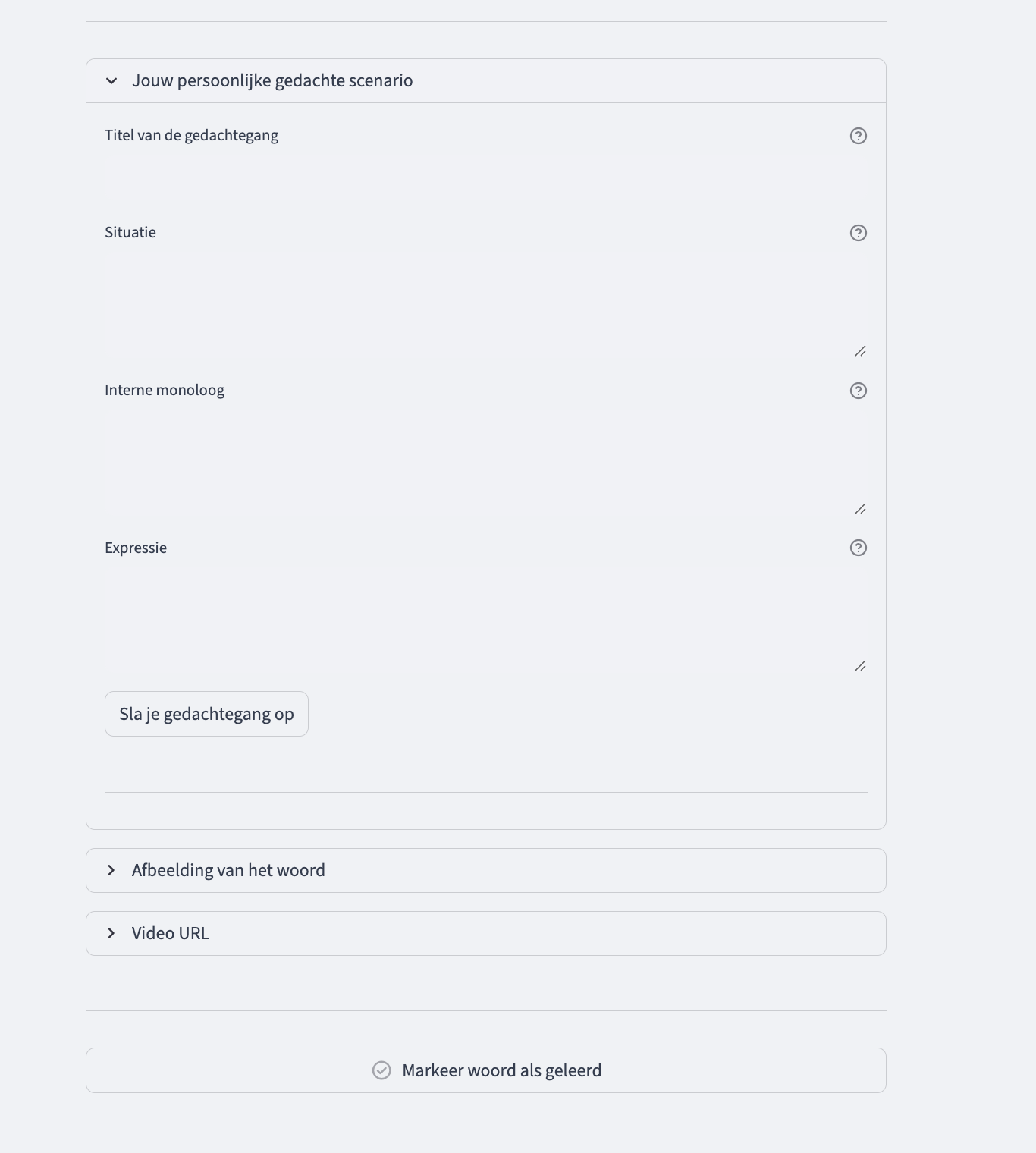
This is about context. We almost never use or encounter a word in isolation. We use them embedded in a context where we react or comment on something, for instance. The simplified way I mentally modelled language usage is as follows, let's say for learning the phrase "Turn down the volume":
- Situation: "I haven't slept well last night. The neighbours are too noisy."
- Inner Dialogue: "I have to let them know that I need them to be quieter."
- Expression: "Hello, could you please turn down the volume?"
What is the process of storing and retrieving words in the brain?
The concept of 'storage' is actually problematic here. We don't store words as a static list in our brains.
Let's say you are trying to learn the Dutch word 'fiets' or 'bike' in English. You already have a network of connections in your brain that would fire up when you are in a context where you see someone riding a bike. Now your brain is primed to reconstruct the word 'bike' when needed.
When you are learning the new word (symbol + sound) 'fiets' you are essentially modifying the connections in your brain that link the symbol and sound to the concept of a bicycle.
All of this will have implication on how I designed the exposure and recall sessions.
How can I help my brain remember better?
To remember better we need to enhance how we encode the word for the first time and reinforce the connections through active contextualized recall.
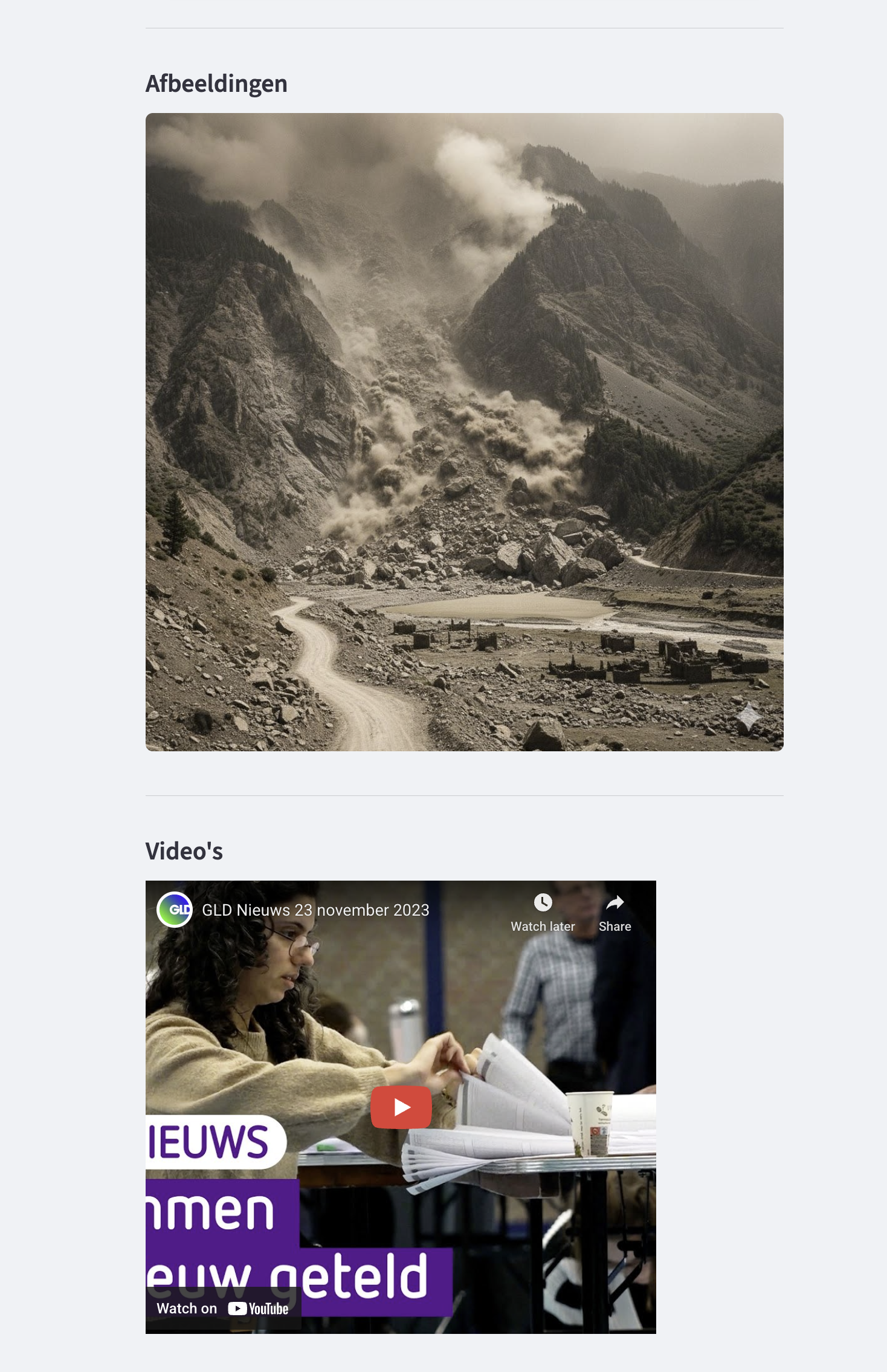
We can also leverage what we know about the Dual Coding Theory which suggests that our brain processes information along two separate verbal and visual channels. Simply put, it will help to see a visualization of the word that you are trying to internalize.